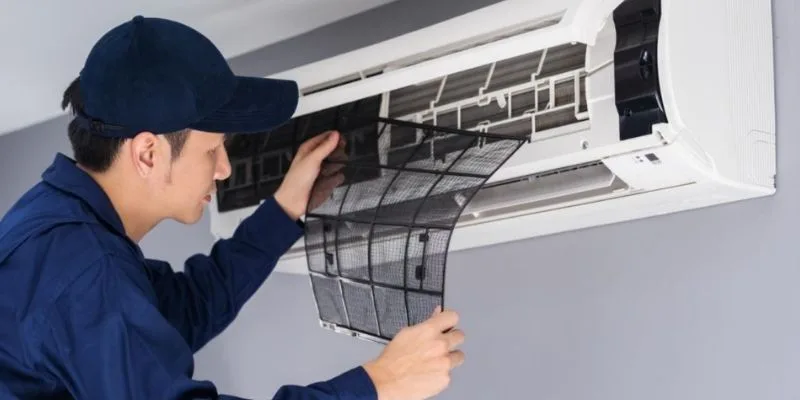

Determining the Air Conditioner Repair Cost responsibility is a primary concern for expatriates moving to Japan. Securing comfortable and functional housing is paramount, especially when renting apartments in Japan or finding an ideal rent in Tokyo. One of the most common points of confusion and contention arises when essential amenities, like the air conditioner, malfunction. Determining who is financially responsible for repairs is crucial for a smooth tenancy, ensuring financial security, and adherence to Japanese rental law.
This comprehensive guide provides a clear, authoritative explanation of Japanese rental law and common practices. It also details the steps foreign renters must take when an air conditioner malfunctions in their rental property. Understanding these specific rules is essential for protecting your financial interests and ensuring a positive, legally compliant rental experience.
The Fundamental Legal Framework Governing Rental Equipment in Japan
Two legal concepts enshrined in the Japanese Civil Code resolve the question of who pays the Air Conditioner Repair Cost in a Japanese rental property. These are the landlord’s duty of repair and the tenant’s duty of care. The final determination rests on ownership and the cause of the malfunction.
Landlord-Owned Unit (Fixture): The Landlord’s Core Responsibility
A unit is classified as a Fixture if the landlord provided it. It must be explicitly listed in the lease agreement as a permanent part of the property. For most modern apartments in Japan, the air conditioner is considered a Fixture.
The Landlord’s Duty to Repair
The landlord is obligated to maintain and repair this unit to keep the property habitable. Japanese Civil Code Article 606 mandates that the landlord must take necessary measures. These measures ensure the tenant can use the property for its intended purpose. This must align with customary use. Air conditioning is essential for modern comfort and habitability. This is particularly true during Japan’s hot, humid summers and cold winters. Therefore, the duty of repair for Fixtures is taken seriously.
- Cost Burden for Fixtures: The landlord is unequivocally responsible for all repair or replacement costs. This applies if the failure is due to Age-Related Deterioration. It also applies in cases of Normal Wear and Tear.
- Illustrations of Landlord Financial Liability:
- Compressor Failure: The unit suddenly stops cooling or heating. This happens due to the failure of an internal compressor. It is a common occurrence in older models.
- Refrigerant Leaks: The unit gradually loses its cooling power. This is due to slow, undetectable leaks in the internal piping system or outdoor unit. These issues are not related to tenant interference.
- Electronic Board Malfunction: The main electronic control board fails because of a power surge. It may also break down due to component failure after years of continuous use.
- Illustrations of Landlord Financial Liability:
The Lifespan of Air Conditioners and Depreciation
A key factor in determining landlord responsibility is the unit’s age. For tax and legal purposes, air conditioners in rental properties typically have a useful life of 6 to 10 years. This range is often used by tax professionals and legal entities. A Fixture unit that is 8 years old may malfunction due to component failure. It is strongly presumed to be due to Aging. The landlord is legally required to assume all expenses. This contrasts sharply with an intentional act, where age is irrelevant.
- Replacement vs. Repair: If the cost of repair exceeds the depreciated value of the old unit, the landlord must replace it entirely. This is also true if replacement parts are no longer available. This is common for units older than 10 years.
When the Tenant Bears the Repair Cost: The Duty of Care
Even if the air conditioner is a landlord-owned fixture, the tenant will be held financially responsible for the Air Conditioner Repair Cost if the damage is directly attributable to the tenant’s failure to meet their duty of care. This means handling the property and its fixtures with the prudence a reasonable manager would exercise.
Damage Due to Intentional Act or Gross Negligence
The tenant is solely responsible for bearing the entire repair expenditure. This applies if the damage is due to an intentional act (purposefully causing damage). It also applies in cases of gross negligence (extreme carelessness or a blatant disregard for proper use).
- Examples of Tenant Responsibility due to Negligence:
- Physical Damage During Move-in/out: The tenant or movers may accidentally hit the internal unit casing. They could also strike the outdoor unit while transporting large items. This can result in a cracked casing or a damaged refrigerant line.
- Misuse or Unauthorized Tampering: The tenant attempts a “Do-It-Yourself” repair. This causes further damage to the wiring or fan assembly. Alternatively, they spill a significant amount of liquid into the unit.
- Failure to Secure the Unit: The tenant attempts to clean the unit themselves. They improperly fasten a component. This causes it to fall or break during operation.
Unsanctioned Maintenance or System Alterations
A strict rule in Japanese tenancy is that the tenant must not unilaterally perform repairs on the landlord’s property. Any significant maintenance also requires prior written consent.
- Impact of Unauthorized Action: If a tenant hires an outside contractor without permission, they are fully liable if that contractor causes damage. The tenant is also liable if their repair attempt leads to a more severe malfunction. Furthermore, unauthorized repairs can void any manufacturer’s warranty on the unit, increasing the financial exposure of both parties. All repairs must be initiated through the property management company or the landlord.
Protocol for Addressing Air Conditioner Malfunction
You must follow the correct protocol when an air conditioner fails, especially regarding the Air Conditioner Repair Cost. This is crucial when residing in foreigner friendly apartments Tokyo or anywhere in Japan. This is the most effective way to ensure the landlord covers the costs.
Step 1: Conduct Basic Troubleshooting
Before escalating the issue, rule out simple, tenant-fixable issues. This professionalism is appreciated by management.
- Self-Check List:
- Power: Is the dedicated circuit breaker (often labeled AC) switched on?
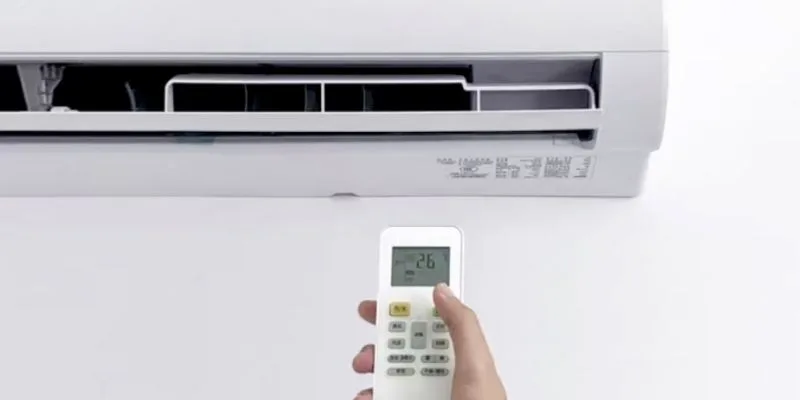
- Remote: Are the batteries fresh, and is the mode (Cool/Heat/Dry) and temperature correctly set?
- Filter: Are the filters extremely clogged? A quick vacuum might restore minimal function, but if the issue persists, proceed to the next step.
Step 2: Review Your Lease Agreement and Important Matters Document
Your lease agreement is the definitive legal document. You must consult it immediately.
- Verify Status: Check the list of Fixtures in the contract. If the unit is listed, it is the landlord’s responsibility. If it is only mentioned as a Non-Fixture or not mentioned at all, the tenant is liable.
- Identify Contact: Locate the emergency contact number for the property management company or the landlord.
Step 3: Immediate Notification to the Management Company
This is the most crucial step. Prompt notification protects the tenant from accusations of contributing to the damage by delaying action.
- Method: Communication is best done via email or through the official online tenant portal, if available, to create a timestamped record. Follow up with a phone call.
- Information to Provide:
- Contract Details: Your name, apartment number, and contact information.
- Malfunction Description: State clearly when the unit stopped working and how it is failing (e.g., “The air conditioner is making a loud rattling noise and is not blowing any cold air”).
- Troubleshooting Steps Taken: Mention your initial checks (e.g., “I checked the circuit breaker and the remote batteries; the issue persists”).
Step 4: Await Diagnosis and Confirm Liability in Writing
The management company will contact their designated repair professional. You will likely be required to be present for the technician’s visit.
- Technician’s Role: The technician will diagnose the cause (e.g., “Compressor failure due to aging parts” versus “Broken fan blade due to external impact”).
- Confirming Liability: Do not agree to pay anything. First, receive a written statement from the management company. It should outline the cause of the failure. It must also explicitly state who is responsible for the cost based on the diagnosis and the lease agreement. If the cause is determined to be Aging, the landlord must pay.
AREALITY: Your Trusted Partner for Japan’s Rental Market
The nuances of Japanese rental law, especially regarding equipment liability, require specialized knowledge. AREALITY is dedicated to providing clarity and security. It offers exceptional service for the international community seeking premium Tokyo apartment rent and reliable tenancy support.
We specialize in ensuring that foreign residents understand the distinction between Fixtures and Non-Fixtures before they sign the lease. Our commitment is to simplify the often-complex Japanese housing system.
Our Services Include:
- Lease Vetting and Translation: We meticulously review lease agreements. This process highlights all Special Provisions and the status of all essential equipment. This measure guarantees transparency regarding financial responsibilities.
- Responsive Maintenance Coordination: We act as your liaison with property owners and management. We ensure that your rights to timely repairs are honored. Services are handled promptly by qualified, approved contractors.
- Expert Negotiation and Dispute Resolution: When a dispute arises over the cause of the air conditioner failure, we offer professional guidance. Our team is here to help. We leverage our knowledge of Japanese Civil Code. This helps us advocate for your rights.
Secure Your Comfort and Finances in Japan: Do not sign a lease that leaves you vulnerable to unexpected repair costs. Contact AREALTY today. Find and secure a foreigner friendly apartment in Tokyo. Benefit from clear, guaranteed equipment terms and the professional support you deserve. Simplify your move and living experience in Japan.
Proactive Measures: Preventing Air Conditioner Malfunction
While the landlord is responsible for age-related Air Conditioner Repair Cost burdens, tenants can take proactive steps to extend the unit’s life. This ensures they are never blamed for a breakdown. This action embodies a core element of your contractual obligation.
Regular Filter Cleaning
This is the foundational and most essential maintenance procedure. Obstructed air filters severely impair the system’s operational effectiveness. This forces the unit to work harder and increases the likelihood of component failure. Furthermore, it leads to a significant surge in utility costs.
- Frequency: Clean the filters using a vacuum cleaner or by washing them. Do this at least once a month during periods of heavy use, like summer and winter.
- Documentation: Keep a brief note of when you last cleaned the filters. If an inspection is required, this demonstrates diligence.
Seasonal Trial Run
Run the air conditioner for at least 30 minutes before the peak summer heat. Do the same before the winter cold. Operate the unit in both cooling and thermal settings.
- Purpose: This early test allows you to detect subtle issues (e.g., weak cooling, unusual noises, bad smells) before the unit is urgently needed and before repair contractors become fully booked during peak seasons. If an issue is detected, notify the management immediately.
Proper Ventilation and Usage
- Ventilation: When using the air conditioner for cooling or heating, ensure the room is sealed. However, when turning it off, open a window briefly. This practice aids in mitigating excessive moisture accumulation. Humidity is a major cause of mold inside the unit. Mold can be a common tenant liability issue.
- Temperature Setting: Avoid setting the temperature to extreme levels (e.g., below 20C in summer or above 28C in winter). Excessive strain can hasten wear and tear on the compressor.
By understanding the clear distinction between Fixtures and Non-Fixtures, foreign tenants in Japan can effectively manage air conditioner malfunctions. Tenants should adhere to their duty of care. They must follow the proper communication protocol. This ensures that the appropriate party, usually the landlord, bears the cost of necessary repairs and replacements.
Conclusion
Determining the Air Conditioner Repair Cost responsibility in Japan depends on two key factors: ownership and the cause of the malfunction. The landlord covers repairs if the unit is a fixture they own, and the issue results from aging or normal wear and tear. Conversely, the tenant must pay if the unit is a non-fixture left behind, or if the damage is caused by negligence or lack of maintenance. To protect your finances, always check your lease to confirm the AC’s status and report any issues to the management company immediately. Don’t let unexpected repair costs complicate your rental experience. Contact AREALTY today to find a Tokyo apartment with clear terms and full support throughout your tenancy.

Real estate advisor at Arealty Japan, specialising in helping foreign residents navigate the Tokyo and Osaka rental markets. Lucy has guided hundreds of international renters — from Working Holiday visa holders to corporate relocations — through Japan’s apartment application process. Her writing draws on firsthand experience with landlord screening, guarantor companies, and foreigner-friendly listings across all 23 Tokyo wards and major Kansai cities.