
Relocating to Japan is an exhilarating milestone, but securing a place to call home is often cited as the most challenging hurdle for expatriates. The Japanese rental system is a unique ecosystem governed by centuries of tradition, strict legal frameworks, and a highly competitive urban landscape. To succeed, you need more than just a budget; you need a strategic roadmap.
In this exhaustive guide, we explore essential Apartment Hunting Tips, focusing specifically on the diverse channels available for finding a home. By understanding the pros and cons of local agencies, digital platforms, networking, and physical scouting, you can navigate this market with the authority of a local.
The Traditional Gateway – Physical Real Estate Agencies (Fudosan)
In Japan, the real estate agent (Fudosan) is the gatekeeper to the housing market. Unlike some Western countries where you might deal directly with a landlord, almost all transactions in Japan go through an intermediary.
Local Japanese Agencies (The “Neighborhood Expert”)
Walking into a small real estate office near a train station is the most traditional way to find a home. These offices are easily identifiable by the rows of floor plans (madori) taped to their windows.
- The “REINS” Advantage: Professional agencies in Japan use a centralized database called REINS (Real Estate Information Network System). When you walk into a local shop, they can see almost every available property in the city.
- Pros of Local Agencies:
- Hyper-Local Knowledge: They know which streets get flooded during typhoons, which buildings have “noisy” neighbors, and which landlords are flexible on price.
- Direct Negotiation: Local agents often have a long-standing relationship with building owners. This “trust equity” can sometimes convince a hesitant landlord to accept a foreign tenant.
- Cons and Challenges:
- The Language Barrier: Most local agents do not speak English. If your Japanese is not at a business level (JLPT N2 or higher), you may be turned away or misunderstood.
- Gatekeeping: Some traditional agents may perform a “pre-screening” and tell you a room is full simply because they aren’t comfortable handling the paperwork for a non-Japanese resident.
International-Friendly Agencies (The “Expat Bridge”)
Title Page Separator Site title
Specialized agencies like Arealty have emerged to solve the friction points of the traditional system.
- Expertise in Expat Needs: These agencies understand that you might not have a Japanese phone number yet, or that your “Hanko” (official seal) isn’t carved.
- Multilingual Support: Having an agent who explains the difference between Reikin (Key Money) and Shikikin (Deposit) in your native language is invaluable for Trustworthiness.
- Vetted Portfolios: They maintain lists of “Gaijin-friendly” landlords, significantly reducing the “rejection rate” that many foreigners face during the application stage.
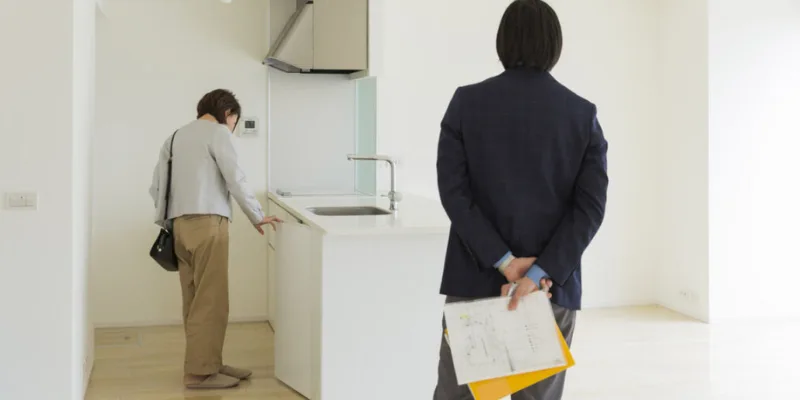
The Digital Frontier – Online Portals and Apps
In the modern era, Apartment Hunting Tips would be incomplete without a deep dive into digital tools. For most, the search starts months before landing in Narita or Haneda.
Major Japanese Portals (Suumo, Home’s, Athome)
These are the “Big Three” of the Japanese rental world. They function as aggregators where thousands of different agencies post their listings.
- Functionality: You can filter by incredibly specific criteria:
- Construction Type: Mokuzou (Wood), S (Steel), or RC (Reinforced Concrete).
- Special Requirements: Kasoudoubutsu-ka (Pets allowed), Gakki-soudan (Musical instruments allowed).
- Technical Specs: Fiber-optic internet availability, auto-locks, and delivery boxes (takuhaibin).
- The “Ghost Listing” Risk: A common frustration on these sites is the “ghost listing.” Because the market moves fast, a beautiful, cheap apartment listed this morning might be gone by noon. Always call to confirm availability before traveling to an office.
Specialized Expat Websites
Websites like GaijinPot Apartments or Real Estate Japan curate listings specifically for the international community.
- Pros: These sites often skip the most “foreign-unfriendly” requirements. You can often find apartments that require No Key Money or No Guarantor.
- Cons: The inventory is smaller than Suumo, and because they cater to foreigners, the rent might be slightly higher than the local market average to compensate for the landlord’s perceived risk.
Networking and the “Hidden” Market
Sometimes, the best Apartment Hunting Tips aren’t found in an office or on a screen—they are found through human connection.
Japan is a high-trust society. A recommendation from a current tenant can bypass weeks of bureaucratic screening.
- Company Housing (Shataku): Many large corporations have “master leases” on buildings. If your company offers this, take it. It is the path of least resistance.
- University Boards: For students, university housing offices often have exclusive deals with local landlords who specifically want students to keep their buildings vibrant.
- Community Groups: Join “Kyoto/Tokyo/Osaka Expat” groups on social media. People often post about breaking their lease early and needing someone to take over. This is a great way to find apartments that are already “proven” to be expat-friendly.
Physical Scouting – The “Walk-and-Search” Method
If you are already in Japan, one of the most underrated Apartment Hunting Tips is to physically walk through your target neighborhood.
Identifying “Vacant” Signs
Many independent landlords (often older residents who own 2-3 buildings) do not like using big tech platforms. They prefer to put a sign on the gate of the building: “入居者募集” (Tenants Wanted).
- Why this works: By calling the number on the sign, you are often talking directly to the management company or the owner. This removes one layer of agency fees and allows for a more personal introduction.
- What to look for:
- The “Vibe” Check: Does the trash area look clean? Is the bicycle parking organized? This tells you more about your future neighbors than any photo ever could.
- Sunlight and Sound: A map won’t tell you that a building is right next to a noisy 24-hour construction site or a temple bell that rings at 5:00 AM. Walking the area at different times (day and night) is essential for Experience-based decision making.

Decoding the Property Types
When hunting, you must know what you are looking at. The terminology can be confusing.
| Property Type | Construction | Noise Insulation | Cost |
| Apāto (Apartment) | Wood/Light Steel | Low | Budget-friendly |
| Manshon (Mansion) | Reinforced Concrete | High | Mid to High |
| Kodate | Detached House | Best | High (Families) |
Apāto Tips: Great for saving money, but be prepared to hear your neighbor’s alarm clock. These are typically two-story buildings.- Manshon Tips: These are what Westerners call “Condos.” They usually have elevators, auto-locks, and better insulation against Japan’s humid summers and cold winters.
Understanding the “Initial Costs” Barrier
One of the most critical Apartment Hunting Tips involves financial preparation. Moving into a Japanese apartment can cost 4 to 6 months of rent upfront.
- Shikikin (Security Deposit): Usually 1-2 months. Refundable, minus cleaning fees.
- Reikin (Key Money): 1-2 months. A non-refundable “gift” to the landlord. (Note: “No Reikin” properties are becoming more common).
- Chukai Tesuryo (Agency Fee): Usually 0.5 to 1 month plus tax.
- Guarantor Company Fee: 50% to 100% of one month’s rent. Since most expats don’t have a Japanese relative to sign for them, this is mandatory.
- Fire Insurance: Approximately 15,000 to 25,000 JPY for two years.
- Lock Exchange Fee: 15,000 to 20,000 JPY.
The Application Process (The “Shinsa”)
Once you find a place through one of the channels above, you face the Shinsa (Screening).
- Documentation Needed:
- Residence Card (Zairyu Card)
- Passport
- Certificate of Employment (Zaishoku Shomeisho) or Offer Letter
- Tax withholding slip (Gensen Choshu Hyo) from the previous year (if applicable)
- The Phone Call: Be prepared. The guarantor company or landlord might call you to test your Japanese level. If you can’t hold a basic conversation, they may fear you won’t be able to read the trash disposal rules or communicate during an emergency.
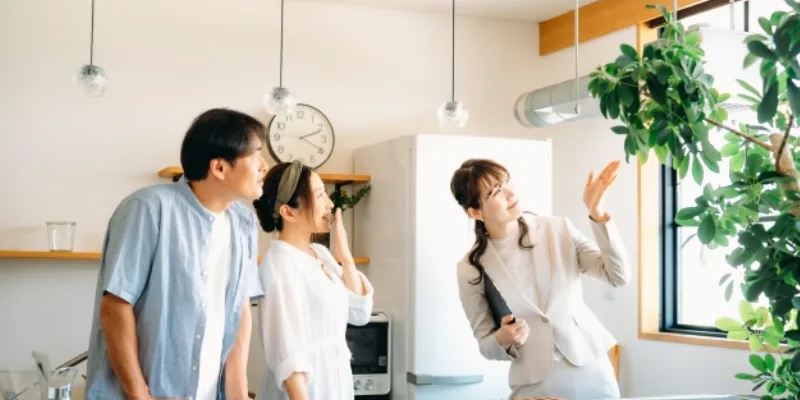
Why Arealty is Your Best Strategic Partner
Navigating these four channels (Agencies, Online, Networking, and Scouting) is exhausting. Arealty serves as a centralized hub that integrates all these methods into a seamless experience.
Unmatched Authoritativeness
With a portfolio of over 30,000 properties, Arealty doesn’t just show you what’s on the surface; we provide access to the deep market. We understand the nuances of Tokyo, Osaka, and Nagoya neighborhoods, ensuring you don’t just find a room, but a community.
Building Trust through “Triple Chance” Support
We believe that our responsibility doesn’t end when the contract is signed. Our “Triple Chance” program is designed to solve the “Move-in Stress” that follows a successful hunt:
- Utility Coordination: We help you navigate the complex world of Japanese utility providers (TEPCO, Tokyo Gas, etc.), ensuring your lights are on the moment you walk in.
- Digital Integration: We arrange high-speed fiber-optic internet and water delivery services, often with exclusive cash-back offers.
- Logistic Excellence: We connect you with vetted moving companies that treat your belongings with the “Omotenashi” (hospitality) spirit.
Long-term Expertise
Our team consists of experts who have helped thousands of international residents. We know which landlords are truly “Gaijin-friendly” and which ones are just saying so. This saves you from the heartbreak of having an application rejected after weeks of waiting.
Conclusion
In summary, successful Apartment Hunting Tips in Japan boil down to a strategic blend of digital research, physical exploration, and professional networking. While the “Shinsa” screening process and unique costs like Reikin can be intimidating, they are simply hurdles that can be cleared with the right preparation. By diversifying your search across online portals, local agencies, and neighborhood scouting, you ensure that no “hidden gem” is overlooked.
Securing a home is the most significant logistical challenge you will face as an expat, but it is also the most rewarding. Once the contract is signed and your utilities are connected, you gain more than just a roof—bamboo forests, neon cityscapes, and the quiet harmony of Japanese life become your backyard. If the process feels overwhelming, remember that you don’t have to navigate it alone. With a partner like Arealty, you gain an expert advocate who turns a complex legal process into a simple, stress-free transition.

Real estate advisor at Arealty Japan, specialising in helping foreign residents navigate the Tokyo and Osaka rental markets. Lucy has guided hundreds of international renters — from Working Holiday visa holders to corporate relocations — through Japan’s apartment application process. Her writing draws on firsthand experience with landlord screening, guarantor companies, and foreigner-friendly listings across all 23 Tokyo wards and major Kansai cities.