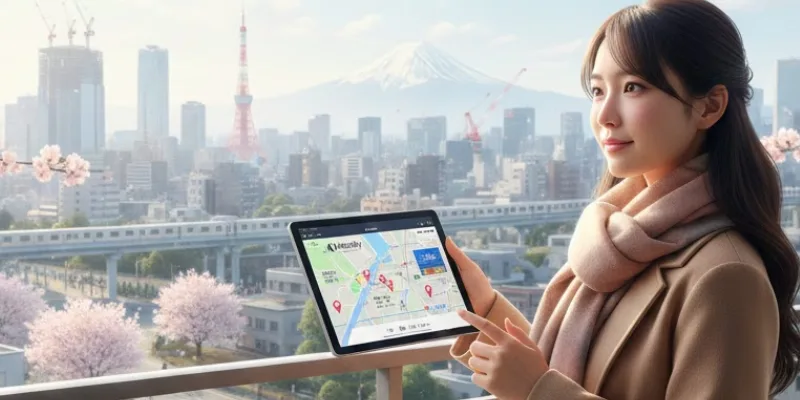

Finding the perfect home during the most competitive season in Japan requires a sophisticated blend of strategic timing, financial preparation, and deep local market knowledge. Whether you are an international student, a new graduate, or an expat relocating for a high-paced career, understanding the specific nuances of the Japanese real estate cycle is the primary factor in securing a high-quality residence. As the fiscal year approaches, the surge in demand creates a landscape where the best units are leased within hours of appearing on the market. Consequently, those who approach the search with a well-defined plan and professional support are far more likely to find a space that balances comfort with convenience. By mastering the seasonal trends of the rental industry, you can transform a potentially stressful relocation into a seamless transition toward your new life in Japan.
The Strategic Window: Best Time for Spring Apartment Hunting
The Best time for spring apartment hunting falls consistently between mid-January and mid-February. This specific window offers the most advantageous balance between property availability and the time required to complete administrative procedures. In Japan, the fiscal and academic years begin in April, making the preceding months a period of intense turnover.
Starting your search in mid-January is highly effective because this is when the majority of “notice to vacate” filings are processed. Landlords receive notifications from departing tenants, allowing them to list apartments in Japan that will become vacant by March. By acting during this month, you gain access to the freshest inventory before the peak madness of late February and March begins.
Speed and decisiveness are the primary drivers of success during the spring season. Properties in popular neighborhoods or those located within a 10-minute walk of major train stations, such as Shinjuku, Shibuya, or Umeda, often disappear from the market within 24 to 48 hours of being listed. Early action ensures you have the luxury of choice rather than being forced to settle for remaining options
Why Timing Matters for Apartments in Japan
The Japanese rental market is cyclical, driven by the tradition of Shin-seikatsu (New Life) starting in April. This cultural synchronization creates a surge in demand that affects everything from rent prices to the availability of moving companies.
Alignment with Official Notifications
Mid-January coincides perfectly with the announcement of university entrance exam results and corporate job offers. This period allows you to synchronize your housing search with confirmed life changes, such as:
- Receiving a letter of acceptance from a vocational school or university.
- Getting an official job offer (naidai) or a transfer order from a current employer.
- Confirming the exact start date of a new academic or professional term.
Peak Inventory Levels
This season witnesses a significant increase in the number of apartments for rent Japan listed on major portals. As current tenants prepare to move out, a variety of apartments in Tokyo Japan enter the market, including:
- Newly constructed residential complexes (shin-chiku) featuring the latest earthquake-resistant technology.
- Renovated units in established neighborhoods that offer modern interiors at lower price points.
- Student-specific housing that often includes simplified guarantor processes or built-in furniture.
Sufficient Administrative Lead Time
The rental process in Japan is famously meticulous and involves several stages that cannot be rushed. Starting in early February provides the necessary buffer for:
- Property Viewings: Scheduling visits to multiple locations to compare layouts and neighborhood vibes.
- Screening Process: Allowing 3 to 7 days for the management company and guarantor company to vet your application.
- Contract Logistics: Coordinating the signing of documents and the payment of initial costs before your move-in date.
Essential Preparations Before the Search
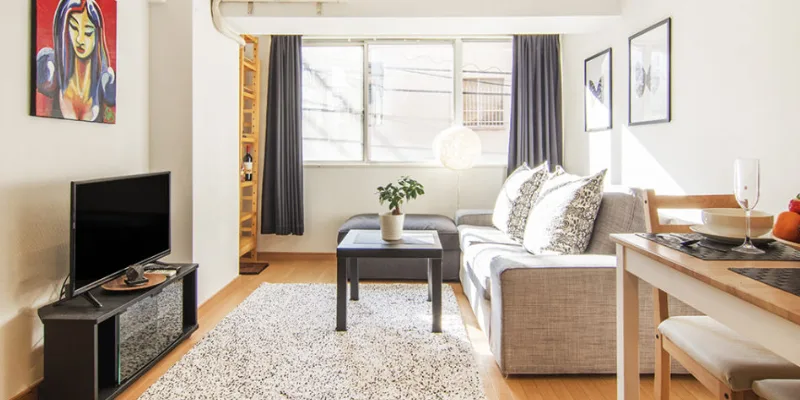
Success in finding a Japan Tokyo apartment rent is rarely accidental; it is the result of thorough preparation. Approaching a real estate agency without a clear set of criteria often leads to wasted time and missed opportunities.
Define Your Non-Negotiables
Before browsing listings, you must categorize your requirements into “must-haves” and “nice-to-haves.” This clarity allows agents to filter properties effectively for you. Key factors include:
- Budgetary Limits: Your monthly rent should ideally not exceed 30% of your gross monthly income.
- Commute Logistics: Preferred train lines, maximum transfer counts, and acceptable walking distance to the station.
- Structural Preferences: Specific layouts like 1K (one room + kitchen), 1DK (one room + dining/kitchen), or 1LDK (one room + living/dining/kitchen).
Document Readiness
The screening process for apartments in Japan is rigorous, especially for foreign residents. Having your “application pack” ready can be the difference between winning or losing a unit. Ensure you have digitized and physical copies of:
- Identification: A valid Passport and Residence Card (Zairyu Card).
- Proof of Status: A Certificate of Eligibility, a student ID, or an official employment contract.
- Financial Evidence: Recent pay slips, tax certificates, or a bank statement showing sufficient savings for initial costs.
Understanding the Costs of Renting in Tokyo
The initial financial outlay for a Japan Tokyo apartment rent is often higher than in many Western countries due to traditional fees. Understanding these costs helps you set a realistic budget and avoid “sticker shock” during the contract phase.
Common Initial Costs
When signing a lease, you should expect to pay between 4 to 6 months’ worth of rent upfront. These initial costs typically include:
- Deposit (Shikikin): A refundable sum held for potential repairs, usually equivalent to 1 or 2 months of rent.
- Key Money (Reikin): A non-refundable “gratuity” paid to the landlord, often 1 month of rent.
- Brokerage Fee: The commission paid to the real estate agency, generally capped at 1 month of rent plus tax.
Monthly Recurring Expenses
Beyond the base rent, your monthly budget must account for various service fees that maintain the quality of the living environment. These include:
- Management/CAM Fees: Costs for cleaning common areas, elevator maintenance, and trash disposal services.
- Utility Provisions: Monthly payments for electricity, city gas (or LP gas), and water usage.
- Connectivity Costs: Subscription fees for high-speed fiber-optic internet or building-wide Wi-Fi services.

Specialized Housing for Students and New Professionals
For those moving to Japan for the first time, certain property types offer a smoother transition. Choosing the right category of apartments in Tokyo Japan can significantly reduce the stress of setting up a new household.
Student-Focused Accommodations
Many landlords specialize in housing for young learners, offering perks that simplify the move-in process. These properties often feature:
- Furnished Units: Including essential items such as a refrigerator, microwave, and washing machine.
- Student Dormitories: Managed facilities that sometimes provide meal plans and 24-hour onsite staff.
- Guarantor Support: Pre-approved partnerships with guarantor companies that cater specifically to international students.
Professional-Grade Rentals
For those entering the workforce, the focus shifts toward convenience and long-term comfort. Recommended features for new graduates include:
- Auto-Lock Systems: Enhanced security entrances with intercoms and video surveillance.
- Delivery Lockers (Takuhaibako): Secure boxes for receiving packages when you are at the office.
- Proximity to Amenities: Locations within walking distance of 24-hour convenience stores, supermarkets, and pharmacies.
Navigating the Real Estate Agency Relationship
In Japan, the real estate agent acts as the vital bridge between the tenant and the landlord. Establishing a professional and transparent relationship with your broker is paramount to a successful search.
Choosing the Right Agency
Not all agencies are equipped to handle the specific needs of foreign residents. Look for firms that demonstrate:
- Multilingual Support: Proficiency in English, Chinese, or Vietnamese to ensure contract terms are fully understood.
- Foreigner-Friendly Inventory: A track record of successfully placing non-Japanese tenants in high-quality apartments in Japan.
- Transparent Fee Structures: Clear explanations of all costs without hidden “administration” charges.
Effective Communication
When interacting with agents, being specific and responsive is highly valued. You should:
- Provide a Detailed Profile: Briefly explain your occupation, visa status, and lifestyle habits (e.g., non-smoker, no pets).
- Respond Quickly: Use communication tools like LINE, Email, or WhatsApp to confirm viewing appointments immediately.
- Ask Insightful Questions: Inquire about sunlight exposure, noise levels from neighbors, and the specific rules for garbage disposal.
Focus on Quality: ARealty
When navigating the complexities of the Japanese rental market, having a dedicated partner can transform a stressful experience into a seamless journey. ARealty stands out as a premier consultancy for those seeking high-quality apartments for rent Japan.
Expertise in the Tokyo Market
ARealty specializes in matching clients with premium living spaces that meet international standards of comfort and convenience. Their deep understanding of the Japan Tokyo apartment rent landscape allows them to source exclusive listings that may not be available on general public portals. Whether you are looking for a sleek high-rise in Minato or a quiet residential unit in Setagaya, their consultants provide personalized guidance.
Comprehensive Support Services
The team at ARealty goes beyond mere property matching. They offer a suite of services designed to support the “New Life” transition, including:
- Detailed Contract Interpretation: Ensuring that foreign tenants understand every clause regarding deposits and restoration duties.
- Utility Setup Assistance: Helping clients navigate the registration of electricity, gas, and water services.
- Neighborhood Orientation: Providing insights into local schools, clinics, and transportation hubs.
Are you ready to secure your dream home in Japan this spring? Contact the experts at ARealty today to receive a curated list of properties that align with your lifestyle and budget. Our team is dedicated to ensuring your move to Tokyo is efficient, transparent, and rewarding.
The Viewing and Inspection Process
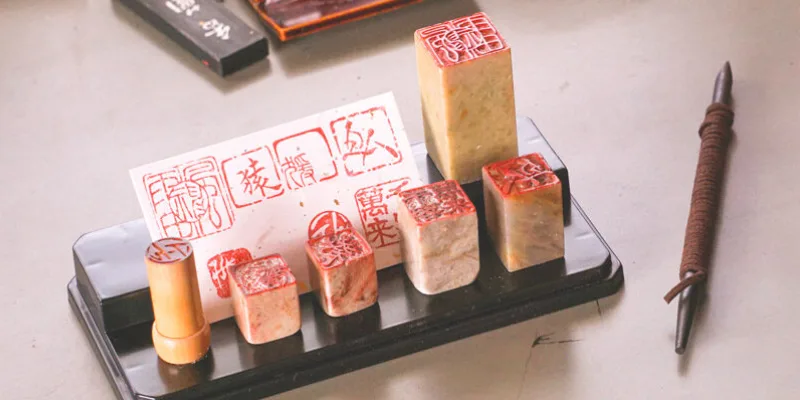
The viewing stage is your opportunity to verify that the digital listing matches the physical reality. In the fast-paced spring market, many tenants make the mistake of overlooking small details that impact daily life.
Critical On-Site Checks
When visiting apartments in Tokyo Japan, you must inspect the functional aspects of the unit. Do not hesitate to:
- Test the Utilities: Check the water pressure in the shower, the functionality of the air conditioner, and the strength of the mobile signal.
- Measure the Space: Bring a measuring tape to ensure your furniture, such as a bed, desk, or sofa, will fit through the door and within the room.
- Assess the Environment: Visit the property at different times of the day to check for noise from nearby train tracks, construction sites, or busy roads.
The Rise of Virtual Viewings
If you are searching for a Tokyo apartment while still overseas, virtual tours have become a standard and reliable option. Modern agencies use high-definition video calls and 360-degree photography to provide a realistic sense of space. However, if choosing this route, you should ask the agent to specifically show:
- The interior of closets and storage spaces.
- The cleanliness of the trash collection area and bicycle parking.
- The view from the windows to check for any obstructing buildings.
Finalizing the Contract and Moving In
Once your application is approved, the final phase involves the “Explanation of Important Matters” (Juyo Jiko Setsumei) and the signing of the lease. This is a legal requirement in Japan designed to protect the tenant.
Understanding the Lease Terms
Most residential leases in Japan are for a period of two years. You must pay close attention to clauses regarding:
- Renewal Fees (Koushinryo): A fee, usually 1 month of rent, paid every two years to extend the lease.
- Restoration Requirements: The specific conditions under which you must return the apartment (e.g., professional cleaning fees deducted from the deposit).
- Early Termination: The notice period required (usually 1 or 2 months) if you need to move out before the lease ends.
Day-One Checklist
On the day you receive your keys and move into your apartment in Japan, performing a final inspection is vital for your future deposit return. You should:
- Document Everything: Take high-resolution photos of any existing scratches on the floor, marks on the walls, or stains on the carpet.
- Submit the Damage Report: Fill out and return the “Property Condition Report” to the management company within the first week.
- Verify Appliances: Ensure that the water heater (kyutoki) and stove are functioning correctly to avoid a cold first night.
Success Strategies for Living Alone
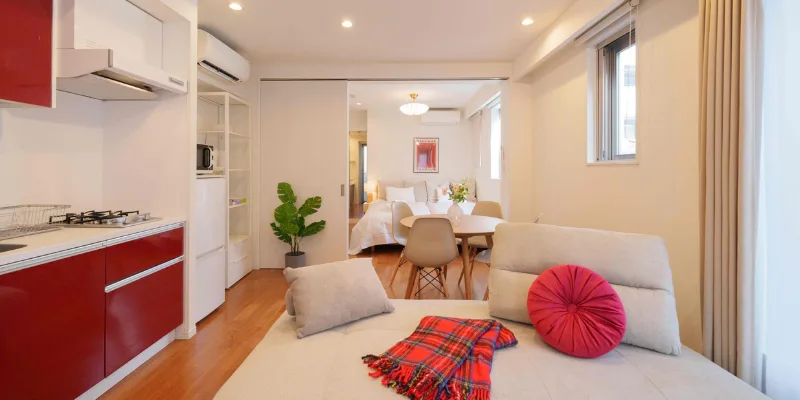
Transitioning to living alone in a new country is a significant milestone. Beyond finding the right apartments in Japan, maintaining a stable lifestyle requires proactive management of your environment and finances.
Lifestyle Management
Creating a comfortable home environment helps reduce the stress of cultural adjustment. Consider these tips:
- Learn Local Rules: Familiarize yourself with the specific trash separation categories, such as “Combustible,” “Non-combustible,” and “Recyclables.”
- Automate Finances: Set up automatic bank transfers (furikomi) for your rent and utilities to ensure you never miss a payment.
- Safety First: Familiarize yourself with the nearest “Designated Emergency Evacuation Site” in your neighborhood in case of earthquakes.
Budgeting for Longevity
The first few months of living alone can be expensive due to the purchase of household goods. To stay financially healthy:
- Utilize Second-Hand Shops: Stores like Off-House or 2nd Street offer high-quality used furniture and appliances at a fraction of the retail price.
- Track Your Expenses: Use mobile apps to monitor your spending on groceries, dining out, and transportation.
- Plan for Seasonal Costs: Account for higher electricity bills during the humid summer months and the cold winter season.
By following this structured approach to the Best time for spring apartment hunting, you position yourself for a successful and enjoyable stay in Japan. Remember that while the market is fast, thorough preparation and professional support from firms like ARealty will always lead to the best results.
Conclusion
Securing a high-quality home during the peak relocation season requires a proactive strategy and a clear understanding of the Japanese rental market. By targeting the mid-January window and preparing your essential documentation in advance, you can successfully navigate the high demand for apartments in Japan. Partnering with experts like ARealty further ensures that your transition into a new home is handled with professional care, local expertise, and full transparency. Ultimately, the combination of disciplined timing and expert guidance provides a solid foundation for a fulfilling and comfortable life in your new Japanese neighborhood.

Real estate advisor at Arealty Japan, specialising in helping foreign residents navigate the Tokyo and Osaka rental markets. Lucy has guided hundreds of international renters — from Working Holiday visa holders to corporate relocations — through Japan’s apartment application process. Her writing draws on firsthand experience with landlord screening, guarantor companies, and foreigner-friendly listings across all 23 Tokyo wards and major Kansai cities.