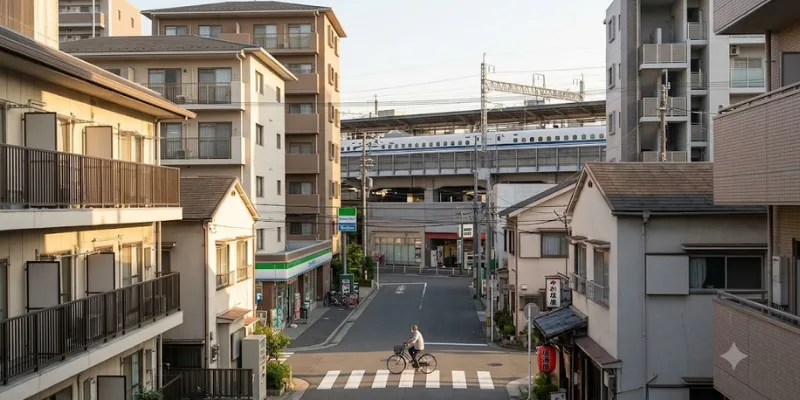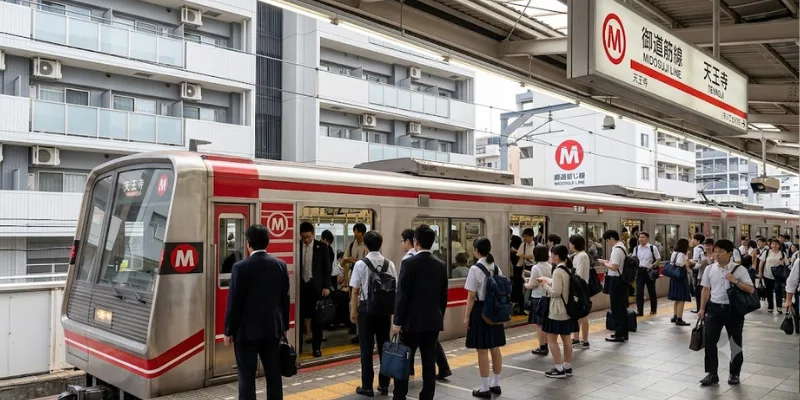

It is possible to rent an apartment in Tokyo online and sign a complete lease before ever setting foot in Japan, using remote video viewings, digital document submission, and e-signature contracts — a process that has become standard practice among Tokyo agencies serving foreign tenants since 2023, according to agency data from Sakura House and Oakhouse. For foreigners relocating for work, study, or family reasons, the ability to rent an apartment in Tokyo online removes one of the biggest sources of pre-arrival stress: arriving with no confirmed place to live.
This guide walks through the complete process of how to rent an apartment in Tokyo online, from initial search to receiving your keys on arrival day.
Is It Really Possible to Rent an Apartment in Tokyo Online
Yes — for most apartment types and most visa categories, the entire rental process can now be completed remotely. The exceptions tend to be older buildings with landlords who insist on meeting tenants in person, or properties requiring a personal Japanese guarantor (rather than a guarantee company) who needs to meet you face-to-face. For the large majority of foreigner-friendly listings, agencies have built remote-first workflows specifically because so much of their client base is applying from overseas.
External reference: Japan Immigration Services Agency — Residence Procedures — official visa and residence guidance relevant to remote rental applications.
What makes this possible:
- Video call viewings — agents walk through the unit live via WhatsApp, Zoom, or Line video call
- Digital document submission — passport, visa documents, and income proof submitted by email or secure upload
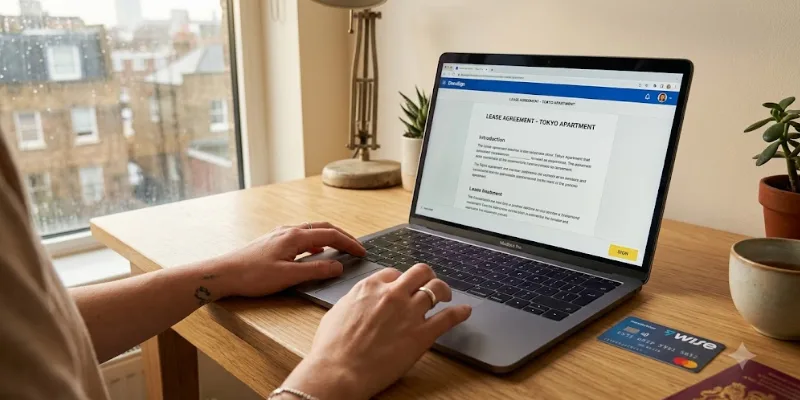
- E-signature contracts — DocuSign or equivalent platforms for the final lease agreement
- Remote guarantor screening — guarantee companies process applications without requiring in-person meetings
- International bank transfer — for deposit and first month’s rent payment before arrival

Step-by-Step: How to Rent an Apartment in Tokyo Online
Step 1 — Search and Shortlist (Week 1)
Browse listings through agencies that explicitly support remote applications. Look for language indicating “overseas application accepted” or “remote viewing available.” Arealty’s Tokyo listings are filterable by ward and include English-language support throughout the remote process.
Step 2 — Request Video Viewings (Week 1–2)
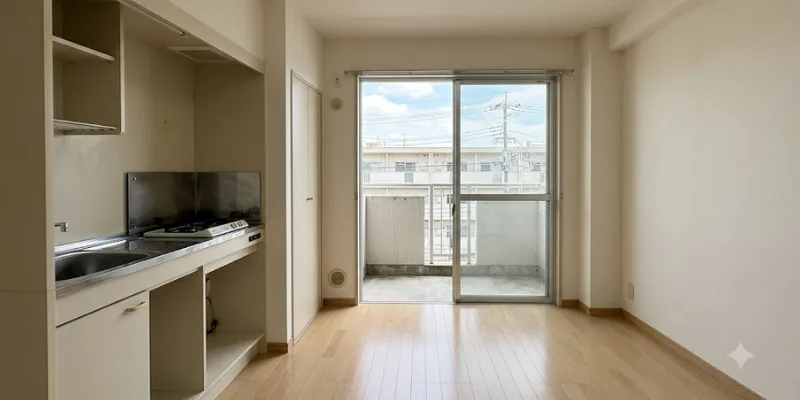
Once you’ve shortlisted 3–5 units, request a live video walkthrough for each. A good remote viewing should cover:
- Full room walkthrough, including closets and storage
- View out of each window (for light and noise assessment)
- Bathroom and kitchen condition
- Building common areas and entrance
Avoid agencies that only offer pre-recorded videos or static photos when you specifically request a live viewing — live video lets you ask questions and direct the agent’s camera in real time.
Step 3 — Submit Application Documents (Week 2)
Standard documents required to rent an apartment in Tokyo online:
- Passport copy
- Visa or Certificate of Eligibility (if not yet issued, a job offer letter or enrollment certificate often suffices for initial screening)
- Proof of income — employment contract, offer letter, or bank statement
- Emergency contact information
Step 4 — Guarantor Screening (Week 2–3)
Most remote applications use a rental guarantee company (保証会社) rather than a personal guarantor, since guarantee companies are built for exactly this kind of remote, pre-arrival screening. Processing typically takes 2–5 business days. See our guide on Japan’s rental guarantor system for how this works.
Step 5 — Sign the Contract Digitally (Week 3)
Once approved, the agency sends the lease agreement through a digital signature platform. Read through carefully — ask your agent to clarify any clauses you don’t fully understand before signing, since e-signature makes the process fast but doesn’t reduce the importance of understanding what you’re agreeing to.
Step 6 — Pay Initial Costs via International Transfer (Week 3)
Initial move-in costs (deposit, key money if any, first month’s rent, agency fee, guarantee fee) are paid via international bank transfer. Confirm the exact total and bank details in writing before sending payment, and keep the transfer confirmation as proof of payment.
Step 7 — Receive Keys on Arrival (Arrival Day)
Many agencies arrange key handover directly at the apartment or at their office near the airport/your arrival point, allowing you to move in on the same day you land. This eliminates the need for temporary accommodation while you wait for a lease to process.
What Can Go Wrong When You Rent an Apartment in Tokyo Online
Misjudging the unit from video. Even good video walkthroughs can’t fully replicate an in-person visit. Ask specific questions about smell, noise level, and exact measurements rather than relying on visual impression alone.
Currency and transfer fees. International bank transfers can incur unexpected fees and exchange rate spreads. Confirm with your bank in advance what the actual cost of an international transfer to a Japanese account will be, and budget accordingly.
Time zone delays. Video viewings and document exchanges depend on overlapping working hours between you and the agency. Build extra time into your timeline if you’re in a significantly different time zone from Japan.
Contract terms you don’t fully understand. Even with English support, some nuances of Japanese rental contracts (renewal fees, restoration costs at move-out) can be easy to miss when reviewing remotely. See our Japan apartment rental mistakes checklist for what to specifically watch for.
Documents Checklist for Renting an Apartment in Tokyo Online
- Passport copy (clear scan, all relevant pages)
- Visa/Certificate of Eligibility or job offer/enrollment letter
- Proof of income (employment contract, payslips, or bank statement)
- Emergency contact name and details
- International transfer-capable bank account
- Video calling app installed and tested (Zoom, Line, WhatsApp)
- E-signature platform access confirmed with agency
Which Visa Types Can Rent an Apartment in Tokyo Online?
Most visa categories — work visas, student visas, working holiday visas, spouse visas — can complete the rental process remotely, provided you have either an issued visa or strong supporting documentation (job offer, Certificate of Eligibility, enrollment confirmation) at the time of application. Tourist visa holders generally cannot rent a standard apartment lease, as Japanese tenancy requires resident status — see our guide on tourist visa Japan long-term apartment rental for the distinction.
FAQ: Renting an Apartment in Tokyo Online
Can I rent an apartment in Tokyo online without a Japanese bank account? Yes, for the initial lease signing and move-in payment via international transfer. However, you will need to open a Japanese bank account shortly after arrival, since ongoing monthly rent is typically paid via domestic automatic transfer (口座振替).
How long before arrival should I start the online rental process? 4–6 weeks is a comfortable timeline, allowing for video viewings, document processing, guarantor screening, and contract signing without rushing.
Is it safe to send passport copies and financial documents to a Tokyo agency before arrival? Use agencies with an established reputation and secure document upload systems rather than email attachments where possible. Reputable agencies handle this volume of remote applications routinely and have appropriate data handling practices.
Can I negotiate rent or terms when applying online? Yes, the same negotiation dynamics apply as in-person — your agent can relay requests to the landlord regardless of whether you’re applying remotely or in person.
→ Browse foreigner-friendly Tokyo apartments with remote application support
Tools and Platforms That Make Remote Renting Possible
Video conferencing for viewings. While Zoom and Line are most common for video viewings of Japanese apartments, WhatsApp video calls work equally well and are often more familiar to international applicants. Confirm with your agent which platform they prefer before scheduling.
Document submission systems. Reputable agencies use secure upload portals rather than asking you to email scanned passports and financial documents as plain attachments. If an agency only offers email submission, ask whether they have a more secure alternative — and consider this a minor red flag if they don’t.
E-signature platforms. DocuSign is the most common platform used by Tokyo agencies for remote lease signing, though some smaller agencies use Adobe Sign or proprietary systems. Either way, you should receive a final signed copy for your own records immediately after signing.
International payment. Wise and traditional bank wire transfers are both commonly used for sending deposit and move-in costs from overseas. Wise often offers better exchange rates and lower fees than a standard bank wire, though processing times can vary — confirm with your agency how far in advance they need funds to clear before your move-in date.

How Remote Renting Differs by Visa Category
Work visa holders typically have the smoothest remote rental experience, since employment contracts and clear income documentation satisfy most landlord and guarantee company screening criteria without complication.
Student visa holders renting an apartment in Tokyo online should expect slightly more scrutiny around proof of financial support, since they lack employment income. A clear bank statement or sponsor letter, combined with your Certificate of Enrollment, is usually sufficient.
Working holiday visa holders sometimes face additional guarantor company scrutiny given the visa’s shorter, less predictable duration. Some agencies recommend providing a more substantial bank statement (covering 6 months rather than 3) to strengthen a remote application in this category.
Spouse and dependent visa holders generally apply similarly to work visa holders, often with the sponsoring spouse’s employment documentation supporting the application.
Internal Resources for Remote Rental Applicants
- Japan rental guarantor system explained — full breakdown of how guarantee companies process remote applications
- Tourist visa Japan long-term apartment rental — why tourist visas can’t access standard leases
- Japan apartment rental mistakes foreigners checklist — pitfalls relevant to both remote and in-person applications
- Working holiday visa Japan apartment rent — visa-specific considerations for this category

Real estate advisor at Arealty Japan, specialising in helping foreign residents navigate the Tokyo and Osaka rental markets. Lucy has guided hundreds of international renters — from Working Holiday visa holders to corporate relocations — through Japan’s apartment application process. Her writing draws on firsthand experience with landlord screening, guarantor companies, and foreigner-friendly listings across all 23 Tokyo wards and major Kansai cities.