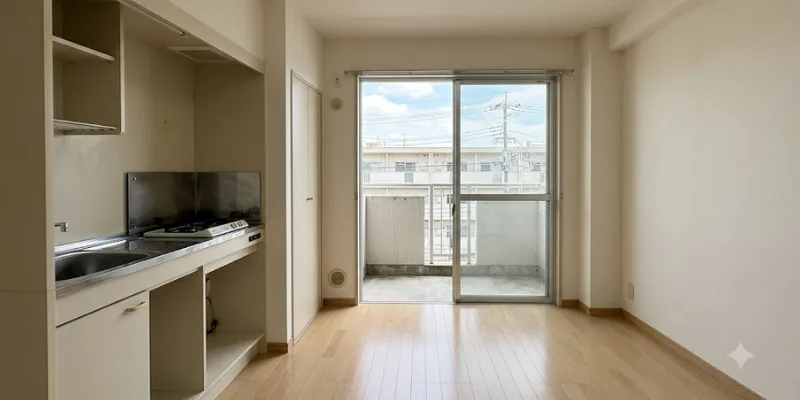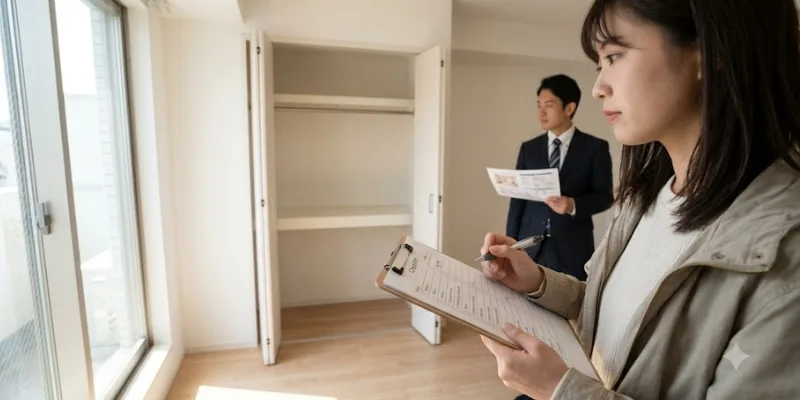

A thorough Japan apartment viewing checklist can prevent the most common and costly mistakes foreign renters make — signing a lease based on photos alone, missing structural issues, or misunderstanding how a listing’s stated features translate to daily life. Most viewing appointments in Japan last only 15–20 minutes, which isn’t much time to catch problems that only become apparent after move-in. Working through a Japan apartment viewing checklist systematically, rather than relying on impression alone, is the most reliable way to avoid regret.
This guide breaks the Japan apartment viewing checklist into the categories that matter most: light and orientation, structural and noise factors, practical daily-life features, and the paperwork-related checks that protect you after signing.
Why a Systematic Japan Apartment Viewing Checklist Matters for Foreigners
Foreigners renting in Japan face two compounding challenges during viewings: cultural unfamiliarity with what’s normal (is this amount of natural light typical? is this level of soundproofing standard?), and often a language barrier that makes it harder to ask detailed follow-up questions on the spot. A written Japan apartment viewing checklist solves both problems — it gives you a consistent framework regardless of language ability, and it ensures you don’t forget to check something important under the pressure of a short appointment with an agent waiting.
For more on how listing photos can misrepresent the actual room, see our Japan apartment photos different from real room guide — a useful companion to this checklist when reviewing listings before you even book a viewing.
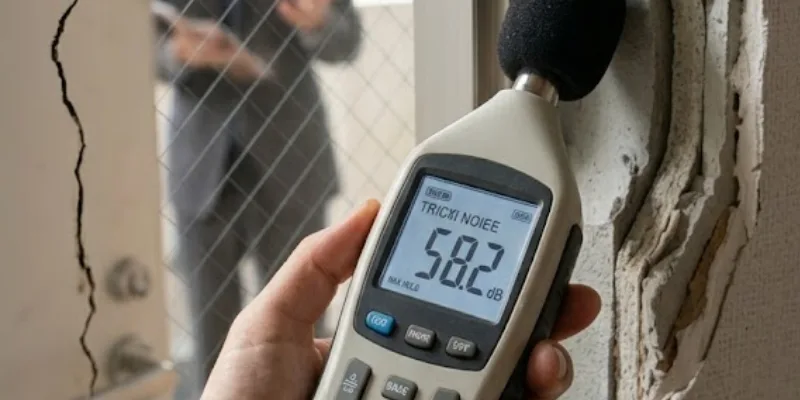
Light and Orientation: 4 Things to Check
1. Which direction do the main windows face? South-facing (南向き, minami-muki) units get the most natural light and are generally the most in-demand and most expensive. North-facing units can feel noticeably darker and colder in winter. Ask directly — don’t assume from photos, which can be taken at flattering times of day.
2. What’s directly outside the windows? A unit facing a narrow alley or an adjacent building’s wall will have far less usable light than the floor plan suggests, even if technically south-facing. Look out the window during the viewing, not just at the room itself.
3. What floor is the unit on, and does it matter for light? Lower floors, particularly ground and second floor, are more likely to be shadowed by neighboring buildings. This also affects privacy — ground floor units are more visible from the street.
4. Is there a balcony, and which direction does it face? Balconies matter for laundry drying (still the norm in Japan over machine drying) and for general light access. Confirm the balcony isn’t shared or restricted in ways the listing doesn’t make clear.
Structural and Noise Factors: 5 Things to Check
5. What is the building’s construction type? Reinforced concrete (RC, 鉄筋コンクリート) offers the best sound insulation between units. Steel-frame (S造) is a middle option. Wood-frame (木造, mokuzō) buildings are cheaper but transmit sound between units and floors far more readily. See our reinforced concrete building guide for more detail on what construction type actually means for your daily experience.
6. What year was the building constructed? Japan’s seismic building code changed significantly in 1981 (新耐震基準, shin-taishin kijun). Buildings constructed after June 1981 meet modern earthquake resistance standards — ask for the construction year (築年数) directly if it’s not on the listing.
7. Can you hear anything from neighboring units during the viewing? Even a brief silence test — standing still and listening for a minute — can reveal whether walls are thin. Ask the agent if there have been noise complaints associated with the unit or building.
8. Is there visible water damage, mold, or unusual smell? Check corners, behind where a refrigerator would sit, and around window frames. First-floor and north-facing units are particularly prone to mold issues. See our first floor mold issue guide for known risk factors.
9. Do windows and doors close and lock properly? Test every window and door during the viewing rather than assuming they function correctly — older buildings sometimes have warped frames that don’t seal well.
Practical Daily-Life Features: 6 Things to Check
10. Is there an auto-lock entrance system? Increasingly standard in newer buildings and a meaningful security feature. See our auto-lock system security guide for what to expect.
11. Is there a delivery box (宅配ボックス)? A significant convenience in a country where most online shopping is delivered, and missed deliveries otherwise require redelivery scheduling. See our delivery box expat guide.
12. What’s the actual kitchen setup? Check the number of stove burners (often just 1–2 in smaller units), whether there’s an oven or only a stovetop, and counter space. Photos can make a kitchen look more functional than it is in person.
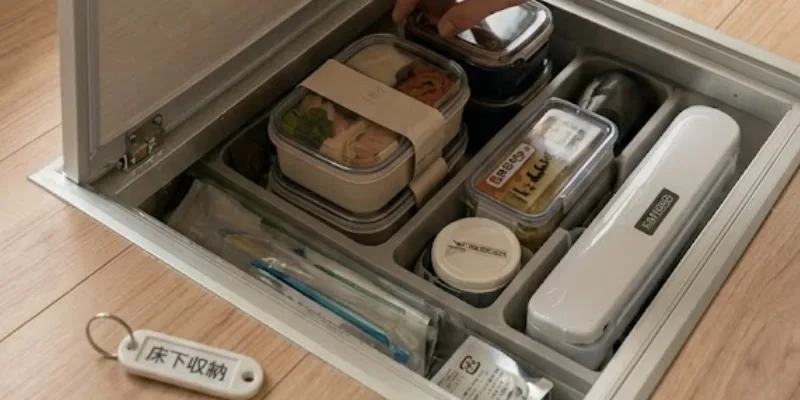
13. Is there under-floor or built-in storage? Storage is consistently underestimated by foreign renters used to larger closets. Check every closet (押入れ) and confirm whether the unit has under-floor storage. See our under-floor storage guide for what this feature typically offers.
14. Is there an elevator, if the unit isn’t on the ground floor? Smaller, older buildings — particularly under 5-6 floors — sometimes lack an elevator. This matters significantly if you’re moving with heavy furniture or have mobility considerations.
15. What’s the internet situation? Confirm whether the building has existing fiber infrastructure or whether you’ll need to arrange installation separately, which can take 2-4 weeks. See our internet setup and installation cost guide.
Paperwork and Post-Viewing Checks: 5 Things to Confirm
16. What exactly is included in the move-in cost quote? Get an itemized breakdown — deposit, key money, agency fee, guarantee fee, fire insurance — rather than a single bundled figure. See our apartment move-in cost guide for what’s standard.
17. What’s the renewal fee structure? Confirm whether a renewal fee (更新料) applies at the 2-year mark and how much, since this is a recurring cost easy to overlook during the excitement of finding a unit you like.
18. What does the contract say about pets, if relevant? Pet policies vary significantly even within pet-friendly buildings — confirm specific restrictions (size, type, additional deposit) rather than assuming “pet-friendly” means unrestricted.
19. What’s the tenant’s responsibility for repairs? Japanese leases typically distinguish between normal wear-and-tear (landlord’s responsibility) and tenant-caused damage. See our tenant responsibility for repairs guide for what’s typically covered.
20. Is fire/tenant liability insurance required, and what does it cover? Almost always mandatory and usually arranged through the agency, but worth understanding what’s actually covered. See our tenant personal liability insurance guide for what’s standard.
Using This Checklist When Viewing Remotely
If you’re applying from overseas and can’t attend an in-person viewing, request a live video call walkthrough rather than relying solely on listing photos. Ask your agent to specifically walk through items 1–9 above on camera — light direction, what’s visible from windows, any visible damage — since these are the hardest to assess from static photos alone. See our online viewing guide for overseas renters for how to structure this request effectively.
Japan Consumer Affairs Agency — Rental Housing Guidance — government resource on tenant rights and standard rental practices in Japan.
FAQ: Japan Apartment Viewing Checklist
How long should a viewing appointment take? Standard viewings run 15–20 minutes, though you can request more time, particularly if you’re working through a detailed checklist or need an interpreter.
Can I bring someone with me to a viewing? Yes — agencies generally welcome this, and bringing a Japanese-speaking friend or colleague can help with questions you might not think to ask alone.
Should I view multiple units before deciding? Yes, where possible. Viewing 3–5 units gives useful comparison context for pricing and features, helping you recognize when a particular unit is unusually good or has a hidden drawback relative to similar listings.
What if I notice a problem during viewing but still want the unit? Raise it directly with your agent before signing — many issues (a broken fixture, needed cleaning, a specific repair) can be negotiated as a condition of the lease rather than something you simply accept as-is.
→ Browse apartments in Tokyo with detailed listing information
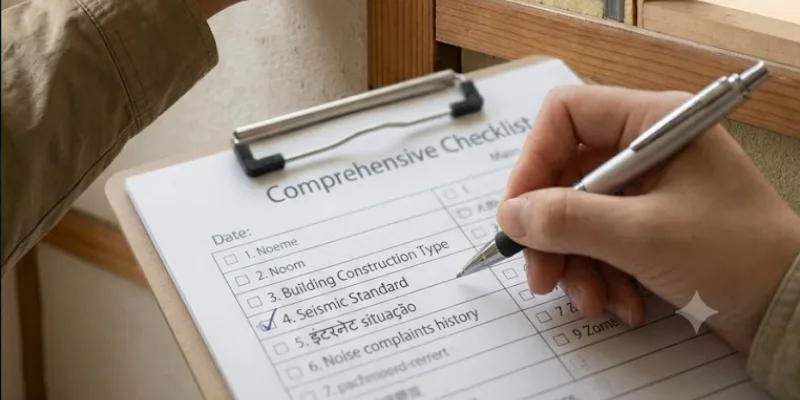
Building a Personal Japan Apartment Viewing Checklist for Your Specific Needs
While the 20 items above cover the universal essentials, consider adding personalized criteria based on your specific situation:
Remote workers: Add internet speed verification, a noise test during typical work hours if possible, and confirmation of any building restrictions on video calls or deliveries during specific hours.
Families with children: Add proximity to parks and playgrounds, school district boundary confirmation, and whether the building has any restrictions on noise from children (some buildings, particularly smaller ones, have informal expectations around this that aren’t always stated upfront).
Pet owners: Beyond confirming pet-friendly status, ask about specific breed or size restrictions, additional pet deposit amounts, and whether there are designated areas for pets within the building or nearby.
Those with mobility considerations: Elevator availability, the building’s general accessibility, and the specific unit’s layout (step-free access, bathroom door width) deserve more detailed attention than the general checklist covers.
What to Do If You Can’t Resolve an Issue During the Viewing
Not every concern can be fully addressed during a 15-20 minute appointment. If something on your Japan apartment viewing checklist raises a question the agent can’t answer on the spot — building management policies, specific noise history, or detailed utility cost averages — ask for it in writing via follow-up email before signing. Reputable agencies are generally responsive to these follow-up requests, and a written answer also gives you a reference point if a dispute arises later.
Internal Resources for Apartment Hunting in Japan
- Why rental applications get denied in Japan — useful context for understanding the screening process from the landlord’s side
- Key questions to ask a real estate agent in Japan — complementary list of questions beyond the physical viewing checklist
- Apartment move-in cost in Japan — full cost breakdown to review alongside your viewing checklist before committing
- Essential post-move-in procedures in Japan — what comes after you’ve passed your viewing checklist and signed the lease

Real estate advisor at Arealty Japan, specialising in helping foreign residents navigate the Tokyo and Osaka rental markets. Lucy has guided hundreds of international renters — from Working Holiday visa holders to corporate relocations — through Japan’s apartment application process. Her writing draws on firsthand experience with landlord screening, guarantor companies, and foreigner-friendly listings across all 23 Tokyo wards and major Kansai cities.