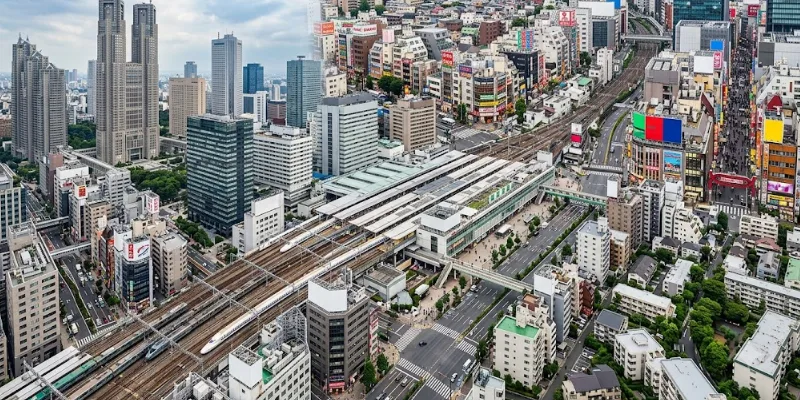

Shinjuku is not one neighborhood. It is four or five very different ones stitched together around the world’s busiest train station, and picking the wrong one is the single most common regret among renters who chose Shinjuku ward for the address alone. If you want the short answer: Nishi-Shinjuku suits professionals who want quiet nights and a short commute to the skyscraper district, Okubo suits budget-conscious renters who want easy access to international groceries, Yotsuya suits people who want Shinjuku’s convenience without Shinjuku’s noise, and Kabukicho suits almost no one who plans to sleep before midnight.
This guide breaks down the real Shinjuku neighborhoods block by block, based on rent data, noise patterns, and what each area actually feels like to live in day to day.
Shinjuku Neighborhoods at a Glance
| Area | Vibe | Avg. 1K Rent (2026) | Best For | Watch Out For |
|---|---|---|---|---|
| Kabukicho | Nightlife, dense, loud | ¥95,000–115,000 | Night-shift workers, students on a budget | Noise until 3-4am, touts |
| Nishi-Shinjuku | Business towers, orderly | ¥110,000–140,000 | Office workers, professionals | Higher rent, fewer late-night options |
| Okubo (Koreatown) | Diverse, food-forward | ¥85,000–105,000 | International renters, foodies | Crowded weekends, tourist foot traffic |
| Yotsuya | Residential, calm | ¥100,000–125,000 | Families, quiet-seekers | Fewer nightlife options nearby |
Rent figures are estimates for a standard 1K/1R layout and vary by building age and distance from the station.
What People Mean When They Say “Shinjuku Neighborhoods”
Administratively, Shinjuku ward stretches far beyond the station, but for renters the term usually points to five zones: Kabukicho to the northeast, Nishi-Shinjuku (West Shinjuku) across the tracks, Okubo just north, Yotsuya to the southeast, and the quieter residential streets around Shinjuku Gyoen park. Each one has its own rent band, its own noise profile, and its own type of tenant it tends to attract.
Kabukicho: Cheap Rent, Real Trade-offs
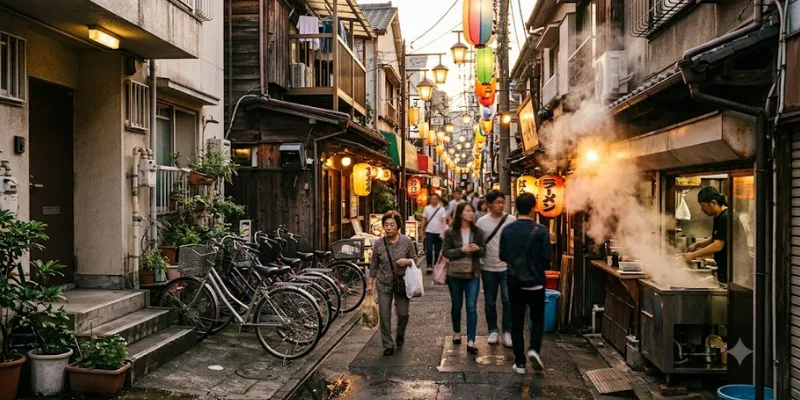
Kabukicho is Japan’s largest entertainment district, and living inside or beside it means accepting a level of nighttime noise that other Shinjuku neighborhoods simply do not have. Sirens, crowds, and neon signage run late into the night, particularly on weekends. In exchange, rent here runs noticeably below the Shinjuku ward average, which is why it remains popular with students and shift workers whose sleep schedule does not conflict with the neighborhood’s rhythm.
Two practical notes if you’re considering Kabukicho: buildings set back even one block from the main strip are meaningfully quieter than those directly on Kabukicho-dori, and some landlords in the area are unfamiliar with foreign tenants, so working with an agency experienced in no-guarantor apartments for foreigners saves time.
Nishi-Shinjuku: The Quiet Skyscraper District
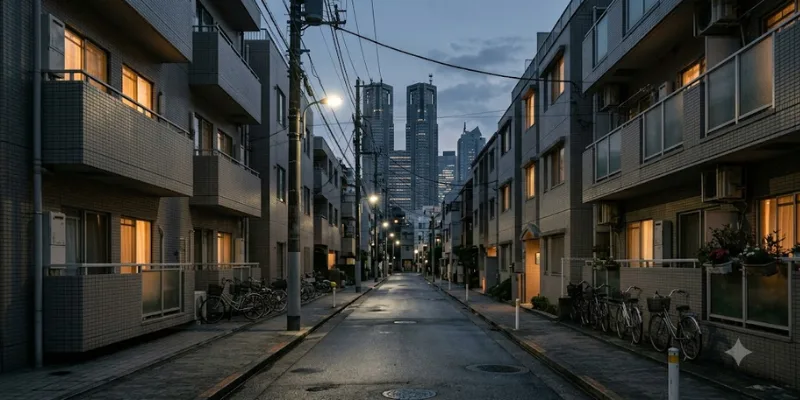
West Shinjuku is the opposite of Kabukicho in almost every way. This is where Tokyo’s metropolitan government building and most of the ward’s high-rise offices sit, and the surrounding residential streets are correspondingly orderly and quiet after office hours. Rent runs higher than the Shinjuku ward average, but tenants get wide sidewalks, easy access to the Oedo and Marunouchi lines, and a short walk to work if their office is also in the district.
This is generally the strongest fit among Shinjuku neighborhoods for renters who want the Shinjuku address and transit access without the entertainment-district noise.
Okubo: Shinjuku’s Most International Neighborhood
Okubo, often called Tokyo’s Koreatown, is one of the most internationally diverse pockets in the city, with a dense concentration of Korean, Chinese, and other international restaurants and grocery stores. Rent here tends to sit below the Nishi-Shinjuku range while remaining just a few minutes from Shin-Okubo and Okubo stations. Foreign renters often find Okubo landlords and agents somewhat more accustomed to non-Japanese tenants than in other parts of the ward, though a foreigner-friendly agency still matters here.
The trade-off is foot traffic. Okubo’s main street gets genuinely crowded on weekends as it draws visitors from across Tokyo, so units on side streets are worth prioritizing.
Yotsuya: Shinjuku Convenience Without the Chaos
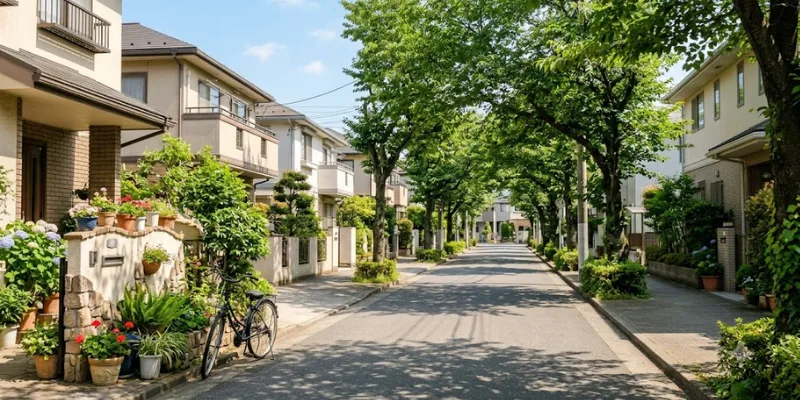
Yotsuya sits at the southeastern edge of Shinjuku ward, close enough to reach the station in ten to fifteen minutes but far enough to feel like a different neighborhood entirely. Streets here are residential, tree-lined in places, and dominated by small shops rather than entertainment venues. It’s a common choice for renters who work near Shinjuku or Yotsuya Station itself and want a calmer home base, including families looking for stable, quieter housing within the ward.
Commute Times From Each Shinjuku Neighborhood
One reason renters overpay for a “Shinjuku Station” address without thinking it through is that commute time from within the ward varies more than people expect. From Nishi-Shinjuku, most of the western business towers are a 5-10 minute walk, no train required. From Kabukicho, reaching the JR platforms takes roughly 8-12 minutes on foot depending on which side of the district you’re on, since the entertainment blocks add detours around narrow streets. Okubo residents are typically closer to Shin-Okubo or Okubo stations than to Shinjuku Station itself, which works fine if your daily route uses the Yamanote or Sobu lines but adds a transfer if you need the Shinjuku terminal’s other lines. Yotsuya has the longest walk to central Shinjuku among the four areas, generally 15-20 minutes, but Yotsuya Station itself covers the Marunouchi and Nanboku lines directly, so most residents commute from there rather than walking to Shinjuku proper.
Rent Trends Across Shinjuku Neighborhoods in 2026
Rent across Shinjuku ward has held relatively steady through 2026 compared to the sharper increases seen in Shibuya and Minato, largely because the ward’s inventory spans such a wide range of building ages and unit types. Nishi-Shinjuku has seen the most upward pressure, driven by newer high-rise residential towers built alongside the office developments, while Kabukicho and Okubo rents have stayed comparatively flat, partly because both areas carry a reputation that keeps some renters away regardless of price. Yotsuya sits in the middle, with modest increases tied to its growing popularity among renters priced out of neighboring Shibuya’s residential streets. For a ward-wide view of how these figures compare to the rest of Tokyo, see our average apartment rent in Tokyo breakdown.
Who Actually Lives in Each Area
Kabukicho’s tenant base skews toward students, service industry and hospitality workers with late shifts, and short-term residents who prioritize low rent and station proximity over quiet. Nishi-Shinjuku attracts a mix of corporate employees working in the surrounding towers and professionals who simply want a predictable, low-noise environment. Okubo has one of the more genuinely mixed tenant populations in the ward, drawing long-term foreign residents, students, and Japanese renters who work in the food and service industries the neighborhood is known for. Yotsuya tends to attract renters a few years into their Tokyo stay who have decided quiet matters more than nightlife, along with small families and university-affiliated tenants near Sophia University.
How to Choose the Right Shinjuku Neighborhood for You
- Want the lowest rent and don’t mind noise: Kabukicho, but check the building’s exact block.
- Want a short commute to an office job and quiet evenings: Nishi-Shinjuku.
- Want food variety and a genuinely international community: Okubo.
- Want Shinjuku’s transit access with a residential feel: Yotsuya.
For a broader comparison of what Shinjuku offers against Tokyo’s other major wards, our Shinjuku overview and best neighborhoods in Tokyo guide are useful starting points before narrowing down to a specific block.
Building Age and What It Means for Renters
Building stock varies noticeably across these four Shinjuku neighborhoods, and it affects more than aesthetics. Nishi-Shinjuku has seen the most new construction over the past decade, driven by the office and residential tower development around the metropolitan government building, which means renters there are more likely to find modern fittings, better insulation, and fiber-ready internet as standard. Kabukicho and Okubo have a higher share of older low-rise buildings, some dating from the 1970s and 80s, which can mean lower rent but also older plumbing, single-pane windows, and in some cases no elevator for upper floors. Yotsuya sits in between, with a mix of older residential blocks and a growing number of newer mid-rise developments as the area has become more popular. None of this makes older buildings a bad choice, since many renters specifically prefer the larger room sizes and character that older Tokyo apartments often offer, but it’s worth confirming a building’s age and renovation history before signing, particularly for anything advertised as a bargain.
Frequently Asked Questions
Kabukicho has a heavy police presence and is generally safe for daily life, but nighttime noise and crowds are a bigger practical concern than crime for most renters.
Yotsuya and the streets near Shinjuku Gyoen tend to be the quietest and most residential options within the ward.
Yes, it typically runs ¥10,000–25,000 above Kabukicho or Okubo for a comparable 1K layout, reflecting its business-district location and newer building stock.
Yes. Okubo and side streets in Kabukicho consistently offer the lowest rents in the ward while remaining within walking distance of Shinjuku Station.
Nishi-Shinjuku and central Kabukicho both sit within a short walk of Shinjuku Station’s full line network, giving faster access to most of Tokyo than Yotsuya or Okubo, which rely on a single or secondary station.
Yes, sometimes significantly. A unit one block off a main avenue can rent for 10-15% less than an equivalent unit directly facing it, even within the same neighborhood, due to noise and light differences.
Given how much noise and atmosphere vary block by block within Shinjuku, an in-person or video walkthrough at different times of day is one of the highest-value steps a renter can take before committing to any of these areas.
Ready to compare real listings across Shinjuku’s neighborhoods? Browse current Shinjuku ward rentals on Arealty or visit arealty.mom to talk to an agent about which block fits your budget and lifestyle.

Real estate advisor at Arealty Japan, specialising in helping foreign residents navigate the Tokyo and Osaka rental markets. Lucy has guided hundreds of international renters — from Working Holiday visa holders to corporate relocations — through Japan’s apartment application process. Her writing draws on firsthand experience with landlord screening, guarantor companies, and foreigner-friendly listings across all 23 Tokyo wards and major Kansai cities.